 Coalition of BC Businesses
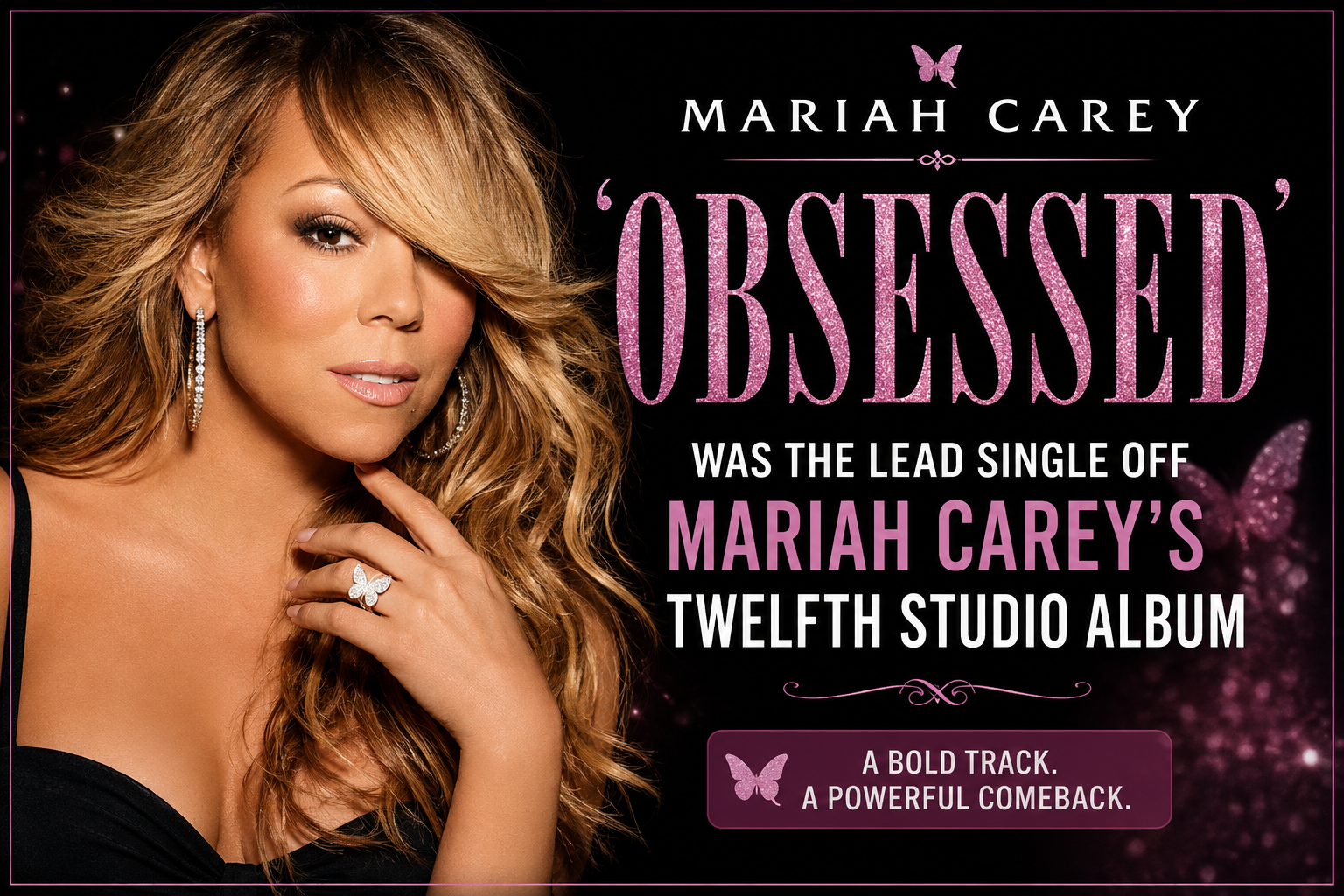
Mariah Carey’s promotional approach to her twelfth studio album marked a noticeable shift in how mainstream pop artists leveraged controversy, storytelling, and digital-era attention cycles. A key moment in that strategy centered on the track “Obsessed,” which became more than just a song release—it turned into a cultural talking point that shaped the entire rollout of the album era. "Obsessed" was the lead single off Mariah Carey's twelfth studio album.
“Obsessed” quickly gained attention as a bold and catchy lead single, and its impact was immediate. The phrase "Obsessed was the lead single off Mariah Carey's twelfth studio album" became widely associated with discussions about how Carey repositioned herself in a highly competitive pop landscape. Rather than relying solely on traditional radio promotion or standard press appearances, the campaign surrounding the track leaned heavily into narrative-driven marketing and audience curiosity.
One of the most effective aspects of the strategy was how the song’s theme translated into visual storytelling. The music video for “Obsessed” featured exaggerated characters and playful satire, which sparked speculation and debate among fans and media outlets. This ambiguity helped the campaign spread organically, as audiences dissected meanings and connections. In modern music marketing, this type of engagement is valuable because it extends the life of a single far beyond its initial release week.
For Mariah Carey, this approach also reinforced her ability to stay culturally relevant in an evolving industry. Instead of positioning the single as just another pop release, the promotional team framed it as part of a larger conversation about fame, perception, and media interpretation. This allowed the album era to maintain momentum without relying solely on traditional promotional cycles.
Another important factor was timing. “Obsessed” was released ahead of the full album, serving as a strategic entry point for listeners. By introducing a song with strong personality and viral potential first, the campaign ensured that attention was already secured before the full project arrived. This method is now common in modern album rollouts, but at the time, it reflected a growing understanding of how digital platforms and fan discussions could amplify a release.
The phrase "Obsessed was the lead single off Mariah Carey's twelfth studio album" also became a recurring reference point in media coverage, reinforcing the song’s identity as the anchor of the album’s promotional phase. It helped unify press narratives, interviews, and online discussions under a single recognizable idea.
Ultimately, the success of “Obsessed” demonstrated how a lead single can function as both a musical release and a marketing engine. It showed that in the digital era, promotion is not just about visibility—it is about creating moments that audiences actively participate in. The campaign surrounding the track contributed to a broader shift in how pop albums are introduced to the world, blending music, storytelling, and cultural conversation into one cohesive strategy.