 Coalition of BC Businesses
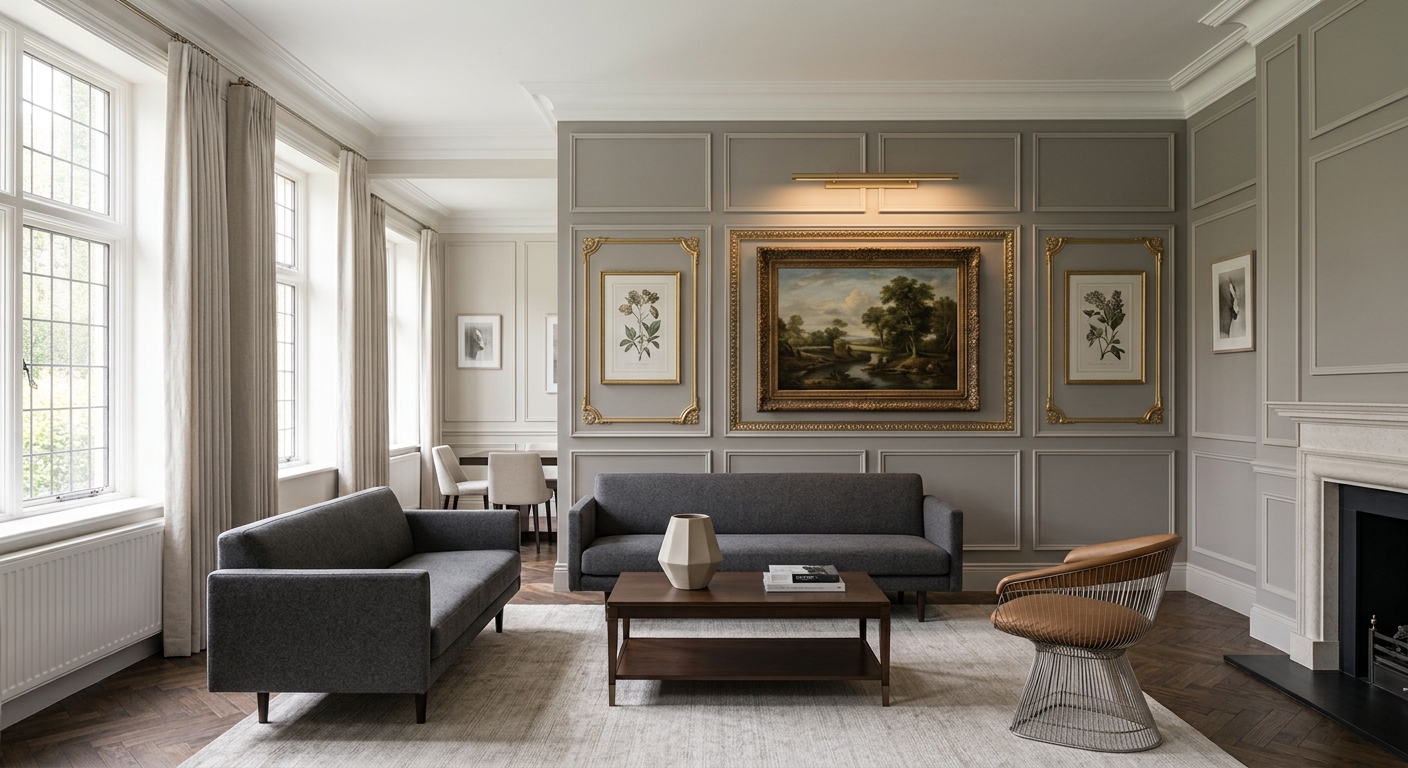
Creating an elegant interior involves more than choosing attractive furniture and paint colors. Wall details also play an important role in shaping the atmosphere of a room. picture frame wall molding is a timeless decorative feature that adds depth, structure, and sophistication to plain walls. When planned carefully, it can complement both traditional and contemporary interiors without making the space feel crowded or overly formal.
Understanding the Importance of Proportions
Proportion is one of the most important factors when designing a molding layout. The size of each rectangular frame should relate naturally to the dimensions of the wall, the ceiling height, and the furniture beneath it. Frames that are too small may look insignificant on a large wall, while oversized panels can overwhelm a compact room.
Before installation, measure the available wall space and determine how many panels will fit comfortably. Consider the placement of doors, windows, fireplaces, and other architectural features. A balanced layout should look intentional from different viewing angles and maintain a consistent relationship between the decorative elements.
For rooms with high ceilings, taller rectangular panels can emphasize vertical space and create a grand appearance. In smaller rooms, simpler layouts with fewer frames often produce a cleaner and more harmonious result.
Choosing the Right Spacing Between Frames
Spacing determines how the entire molding arrangement looks and feels. Even beautifully selected profiles can appear unbalanced when the gaps between panels are inconsistent. Maintaining uniform spacing helps create a polished appearance and makes the design feel professionally planned.
As a starting point, designers often consider gaps of approximately three to six inches between frames, although the ideal measurement depends on the wall dimensions and molding width. Wider walls may accommodate larger gaps, while narrower spaces generally benefit from tighter arrangements.
It is also important to consider the distance between the molding and the edges of the wall. Leaving enough space near corners, ceilings, baseboards, and door frames prevents the composition from looking cramped. When multiple panels are installed on one wall, align their upper and lower edges wherever the overall design allows.
Marking the proposed layout with painter's tape is a practical way to evaluate proportions before making any permanent changes. This simple step helps identify awkward gaps and uneven visual balance early in the process.
Selecting a Suitable Molding Profile
The molding profile influences the character of the finished interior. Simple, narrow profiles work particularly well in modern spaces where clean lines and subtle details are preferred. More elaborate profiles can introduce a sense of luxury and traditional craftsmanship into formal living rooms, dining areas, and entryways.
Material, width, and surface finish should also be considered. Wider molding creates a stronger architectural statement, whereas slimmer options offer a restrained decorative effect. The profile should complement existing trim, including skirting boards, door casings, and crown molding.
Color selection can further enhance the result. Painting the molding the same color as the wall creates a subtle, integrated appearance. Using contrasting colors makes the frames more noticeable and can turn an ordinary wall into a distinctive design feature.
Adapting the Design to Different Rooms
Every room has different requirements. In living rooms, symmetrical molding arrangements can frame sofas, artwork, or statement furniture. Bedrooms often benefit from understated panels behind the bed, creating a refined focal point without competing with other decorations.
Hallways may require narrower frames to accommodate limited wall width, while dining rooms can support more formal, evenly spaced compositions. Regardless of the room, the design should work with the existing architecture rather than appear disconnected from it.
Planning for a Professional Finish
Careful preparation is essential for successful installation. Measure each panel individually, check that corners meet accurately, and use a level to maintain straight lines. Small measurement errors can become noticeable when several frames appear together on the same wall.
Before purchasing materials, calculate the required molding length and allow a little extra for cutting mistakes and corner adjustments. Reviewing different decorative molding profiles can also help homeowners find a style that matches their interior vision.
Ultimately, successful picture frame molding depends on the relationship between proportion, spacing, and profile selection. By balancing these three elements, homeowners can transform plain walls into elegant architectural features that enhance the room's character and remain visually appealing for years. Decorative Panel Layouts for Symmetrical Wall Design
#StavrosDecor #AccentWall #WallDesign